
The iron steamship S.S. Milwaukee sat at the bottom of Lake Michigan, standing completely upright like it was still sailing through the water. Diver Frank Hefner swam through the dark green haze in 1972 and could not believe his eyes. The deck looked almost ready for passengers, even though the ship had been sitting in the deep cold since 1929.
Most ships break into pieces when they sink. They smash into the bottom, turn on their sides, or get crushed by the heavy water pressure. But the Milwaukee settled into the mud as if someone had parked it there on purpose. If you want to hear more strange tales, check out The Letter That Arrived Fifty Years Late from our archives.
The Terrible Storm of October 1929
The S.S. Milwaukee left Grand Haven, Michigan, on October 22, 1929. Captain Robert Sterling looked at the gray sky and knew a bad storm was coming across the water toward Milwaukee, Wisconsin. The ship was huge, built of thick steel plates, and carried 27 railway cars packed with goods inside its deep hold.
By late afternoon, the wind turned into a raging monster. Waves grew as tall as three-story houses, slamming against the steel sides of the vessel. Water began to push past the heavy wooden sea gate at the back of the ship. That gate was supposed to keep the lake outside, but the waves smashed it into splinters.
The crew fought with everything they had. They tried to turn the ship around to head back to safety. But the heavy train cars inside started to shift as the ship rolled. Water rushed into the engine room, putting out the fires under the boilers. Without steam power, the ship was completely helpless in the middle of the dark, wild lake.
Captain Sterling made a final, desperate choice. He ordered his men to put a message inside a wooden purser's canister and throw it into the water. That tiny message was found days later on a beach, telling the cold truth of their final hours on the lake.
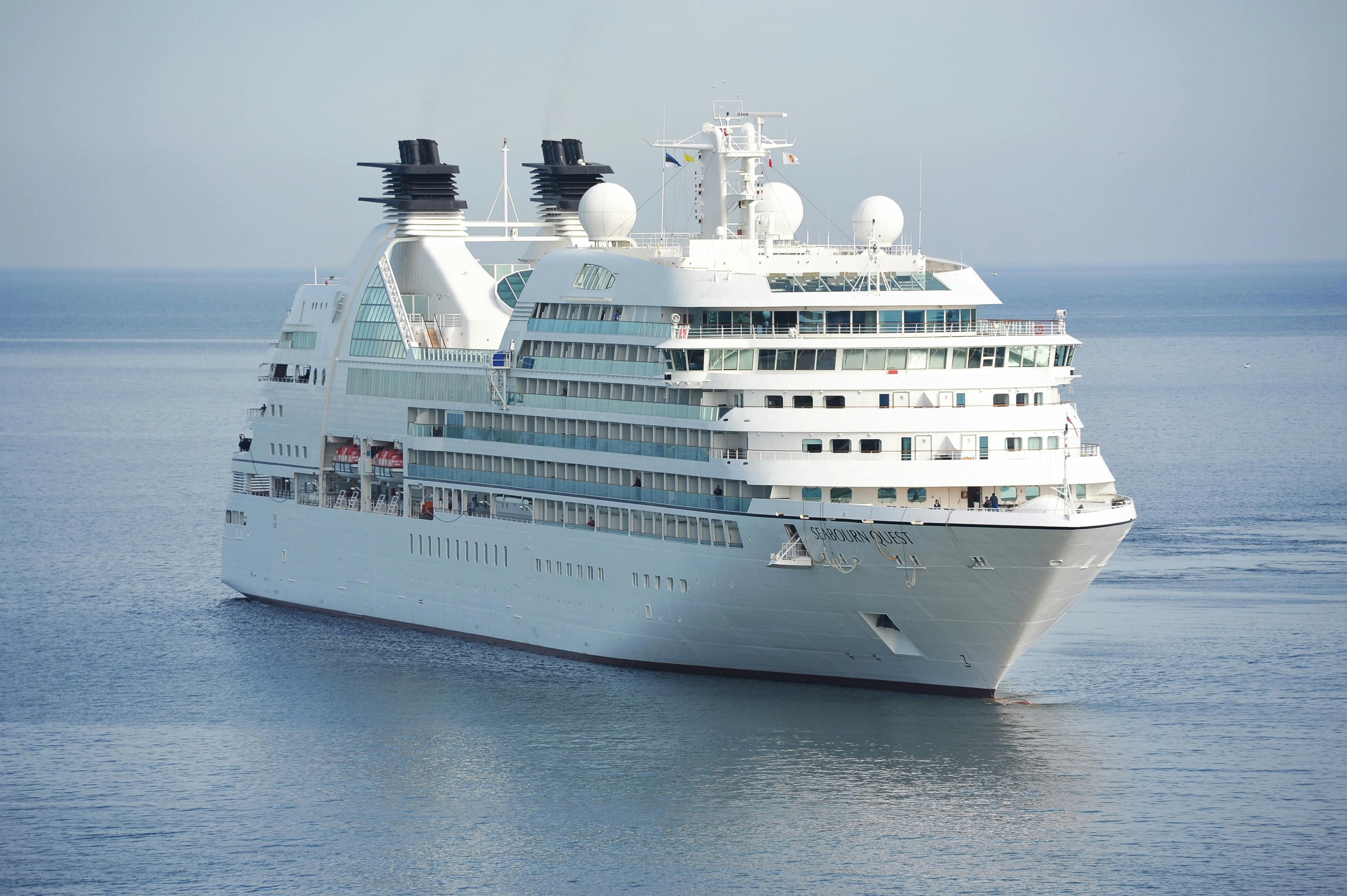
Why Did the Milwaukee Sink Completely Upright?
How does a giant ship weighing thousands of tons end up sitting straight up on the lake bed? The secret lies in the heavy train cars locked in its hold. When the lake water filled the bottom of the ship, those heavy steel cars acted like a huge weight at the very bottom, keeping the ship balanced.
The water filled the lower rooms first. As the ship sank deeper into the cold lake, it stayed flat and stable. It did not flip over. It did not snap in half. It drifted down through more than 300 feet of icy water, landing gently on the soft mud below.
The mud acted like a soft cushion. The bottom of the ship pushed down into the lake floor, locking it into place. When divers finally located the wreck decades later, they found the vessel standing as straight as a building on a city street. The wheelhouse sat high above the mud, looking out into the pitch-black water.
Cold water acts like a time vault for iron ships. Unlike sea water, fresh lake water has no salt to eat away at steel, and the deep parts stay cold as an icebox all year long. This preserves old stories for generations, much like how people share a human-interest story about local history today.
What Divers Found Inside the Frozen Ship
Diver Frank Hefner was one of the first people to drop down into the dark water to see the ship. He followed a guide rope down through the murky cold, where light disappears completely after 100 feet. When his lamp light hit the steel hull, he stopped swimming in absolute shock.
The ship did not look destroyed. The tall smokestack was still pointing up toward the sky. The wooden railings were still in place along the deck. Down inside the train deck, the boxcars were still lined up on their tracks, jammed together in the dark. It looked like a train station that had been dropped into the deep sea floor.
Inside the mess hall, light bulbs were still screwed into their sockets on the ceiling. Plates sat in cupboards. The ship clock was stopped at the exact time the power failed so many years ago. It felt as if the crew had just stepped away for a few minutes, even though fifty years had passed.
Exploring a ship like this takes special care and extreme skill. Divers who study underwater wrecks use specific survival skills to handle the freezing water and dark rooms. One wrong move can kick up mud and make it impossible to see the exit.
What Happened to the Ship's Lost Crew?
Fifty-two men were on board the S.S. Milwaukee when it went down into the freezing water. Not a single person survived the terrible night. Lifeboats were launched into the storm, but the freezing waves were too big for small wooden boats to live through.
Days after the storm ended, search boats found two empty lifeboats drifting in the middle of the lake. One of them held four bodies, frozen from the bitter cold wind. The rest of the crew went down with their ship, buried in the dark water miles from the coast.
The tiny message in the canister told the world what happened in their own simple words. The purser had written that the ship was taking on water fast, the sea gate was gone, and the crew was calm despite the danger. That note became one of the saddest bits of history ever found along the coast.
People living in towns along the coast never forgot the men on that ship. The loss shook the whole shipping industry, leading to safer designs for sea gates on future lake vessels so no crew would face that same terrible night again.
How Do People Discover Deep Shipwrecks Today?
Finding a ship sitting upright on the lake bed used to be pure luck. Fishermen would get their nets caught on something huge down in the deep water, or local divers would follow old rumors passed down through families. You can read more about these kinds of underwater tales on our true stories blog.
Now, underwater search teams use special sonar tools that send sound waves down to map the lake bottom. The sound bounces off metal and rock, drawing a picture of what lies below on a computer screen. When a sound wave hits a ship standing upright, it draws a shadow that looks just like a real boat.
Small remote cameras attached to long cables can drop down into narrow doorways where human divers cannot safely fit. These robot cameras send live video back up to researchers sitting warm in boats on the surface. They can see inside cabins, read old signs, and look at engine controls without touching anything.
Yet even with smart modern computers, seeing a real picture of a giant ship standing tall in the dark still gives people goosebumps. It reminds us how strong the lake can be, and how some human creations stay standing even when they lose their battle with nature.
The S.S. Milwaukee sits down in the quiet mud today, completely surrounded by cold green water. Next time you stand on the shore of a big lake or ocean, look out at the flat water on a calm day. Would you ever guess a whole train ship might be standing upright down there right now?


No comments:
Post a Comment